Essential Facts About The Dead Eyes of London Cast
The chilling atmosphere, intricate plot twists, and unforgettable characters of *Die Toten Augen Von London* (known in English as *The Dead Eyes of London*) have cemented its place as a classic of German crime cinema. Released in 1961, this Edgar Wallace adaptation plunged audiences into a murky world of murder, blind beggars, and a sinister mastermind. While the film's compelling narrative is a major draw, it is arguably the stellar performances of its ensemble that truly bring the story to life and ensure its enduring legacy. Understanding the nuances of the *Die Toten Augen Von London Besetzung* is key to appreciating the film's impact and its place in cinematic history.
From the stoic detective to the enigmatic villain and the vulnerable heroines, each actor in *The Dead Eyes of London* cast contributed to a masterpiece of suspense. This article delves into the critical contributions of these talented individuals, exploring why their portrayals remain iconic and how their collective effort created a defining moment in the German Krimi genre. We'll uncover the facts about the actors who formed the heart of this iconic production, giving you a deeper insight into their roles and the indelible mark they left on screen.
Unmasking the Stars: Key Players in Die Toten Augen Von London
The success of any suspense film hinges on the strength of its characters, and *Die Toten Augen Von London* is no exception. The film’s tension is meticulously built upon the interactions and performances of a carefully selected group of actors, making the *Die Toten Augen Von London Besetzung* a critical component of its enduring appeal.
Among the most prominent figures in *The Dead Eyes of London* cast are:
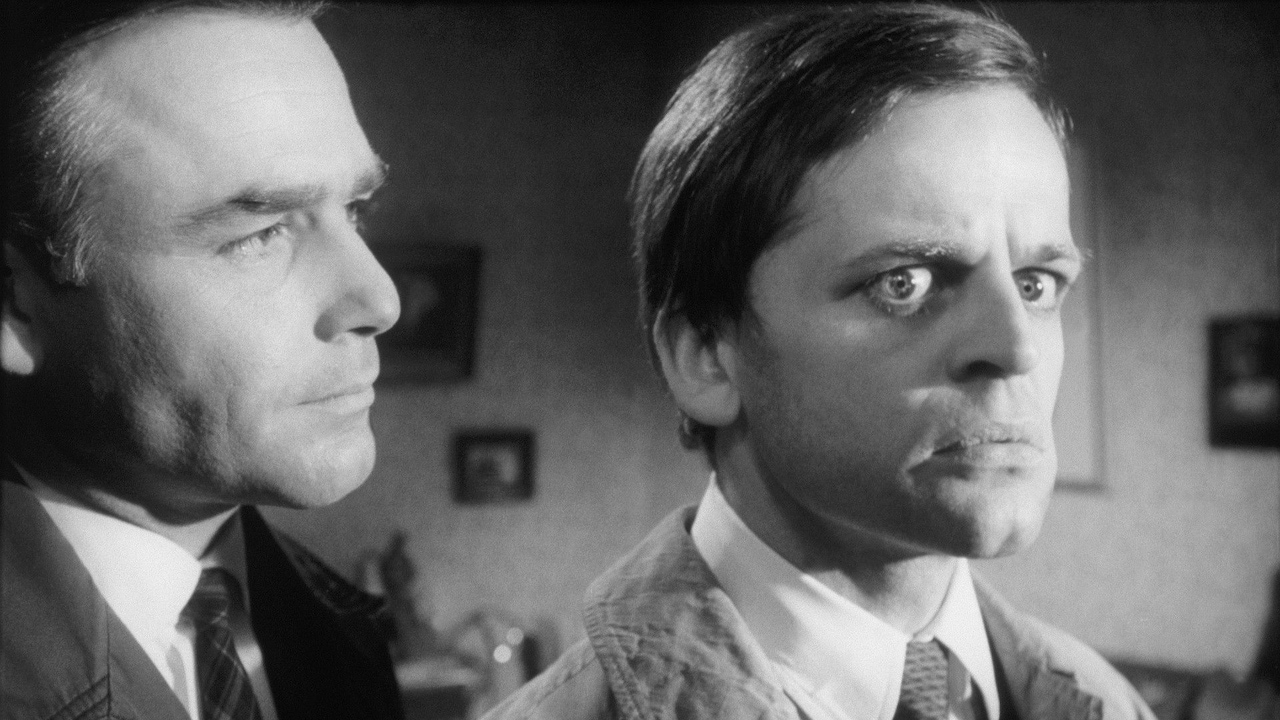
- Joachim Fuchsberger as Inspector Holt: As the diligent and often cynical Scotland Yard inspector, Fuchsberger was a familiar face in Edgar Wallace adaptations. His portrayal of Holt provides the film's grounding force, a rational mind navigating an increasingly bizarre series of events. Fuchsberger's ability to convey both skepticism and determination made him the perfect anchor for the audience, guiding them through the unfolding mystery. His calm demeanor often masked a sharp intellect, making his character both relatable and authoritative.
- Klaus Kinski as Mr. Kindt/The Killer: Kinski's performance in *Die Toten Augen Von London* is nothing short of legendary. He plays not one but two pivotal roles, masterfully switching between the seemingly benign Mr. Kindt, the director of a home for the blind, and the terrifying, unhinged killer. Kinski's distinctive intensity and piercing gaze were perfectly suited for the dual nature of his character, creating one of the most memorable villains in German cinema. His ability to project menace with minimal dialogue is a testament to his unique acting prowess.
- Karin Baal as Eleanor Grayson: Baal brings a vital element of vulnerability and determination to the film as Eleanor, the niece of one of the victims, who finds herself entangled in the dangerous plot. Her performance captures the fear and resilience of a woman caught in a terrifying web, providing a sympathetic figure for the audience to root for. Baal's expressive acting beautifully conveys Eleanor's emotional journey, from grief to courageous self-preservation.
- Dieter Borsche as Reverend Amersham: Borsche adds another layer of intrigue and moral ambiguity to the film. As the seemingly benevolent but ultimately complex Reverend Amersham, Borsche's performance is subtle yet impactful, contributing significantly to the film’s atmosphere of mistrust and suspicion. His character is instrumental in deepening the mystery surrounding the blind beggars and the true nature of the killer.
The dynamic interplay between these lead actors forms the bedrock of the film's suspense. Each member of the *Die Toten Augen Von London Besetzung* brought a distinct energy, ensuring that every scene crackled with tension and intrigue.
The Legacy of Iconic Performances: Why the Cast Still Resonates
Decades after its release, the performances in *Die Toten Augen Von London* continue to captivate audiences. This enduring appeal isn't accidental; it's a testament to the talent and dedication of *The Dead Eyes of London* cast, whose work transcends the typical genre fare.
Klaus Kinski's chilling portrayal, in particular, left an indelible mark. His ability to convey profound psychological disturbance through subtle mannerisms and intense stares created a cinematic villain that is both terrifying and tragically compelling. It's a masterclass in how to command a screen with sheer presence. Similarly, Joachim Fuchsberger's Inspector Holt defined the archetype of the unflappable yet deeply human detective for a generation of German film-goers. His grounded performance provided a crucial counterpoint to the film's more macabre elements.
Karin Baal's Eleanor Grayson stands out for her strength in adversity, moving beyond the typical damsel-in-distress trope to become an active participant in unraveling the mystery. Her emotional honesty resonates deeply, reminding viewers that even in the face of terror, humanity persists. The collective chemistry and individual brilliance of the *Die Toten Augen Von London Besetzung* elevate the film beyond a simple crime thriller into a psychological drama with profound depth. Their ability to draw audiences into their characters' plights and fears is a key reason the film remains a touchstone in classic German cinema. To explore how these individual performances stacked up against each other, you might be interested in delving into our
Ranking The Dead Eyes of London Cast Performances.
Beyond the Lead Roles: Supporting Cast That Shined
While the main protagonists often receive the most attention, the strength of *Die Toten Augen Von London* also lies in its meticulously crafted supporting cast. These actors, though perhaps less prominent, were indispensable in creating the film's rich tapestry of characters and its pervasive sense of dread. The depth added by every member of the *Die Toten Augen Von London Besetzung* is crucial.
For instance, Harry Wüstenhagen as Police Sergeant known for his dry wit and unwavering loyalty, provides moments of levity amidst the gloom and serves as a reliable foil for Inspector Holt. His presence underscores the bureaucratic realities of police work, contrasting with the more theatrical elements of the crime. Other notable supporting actors include Eddi Arent as the nervous and often bumbling journalist, and Wolfgang Lukschy who plays the gruff but ultimately helpful Chief Inspector, each adding their unique flavour to the ensemble.
These performances, though sometimes brief, were essential for building the film's intricate world and furthering the plot's many twists. They helped establish the bustling, often perilous backdrop of London, providing a sense of realism and populating the narrative with believable, if sometimes eccentric, figures. The collective strength of *The Dead Eyes of London* cast, from its stars to its supporting players, created a coherent and utterly convincing cinematic experience.
Behind the Scenes: Casting Choices and Their Impact
The vision of director Alfred Vohrer and producer Horst Wendlandt in assembling the *Die Toten Augen Von London Besetzung* was instrumental to the film’s success. Their casting choices were not merely about star power but about finding the right actors whose individual talents could coalesce into a powerful and cohesive unit. Many of these actors were already established figures in the burgeoning German Krimi genre, having honed their skills in previous Edgar Wallace adaptations. This familiarity meant they could embody their roles with a certain ease and understanding of the genre's specific demands—its blend of mystery, suspense, and gothic undertones.
The decision to cast Klaus Kinski in a dual role was particularly inspired, leveraging his intense screen presence to create a villain of unparalleled menace. Similarly, placing Joachim Fuchsberger as the calm and collected inspector provided a reassuring presence for audiences, even as the narrative descended into chaos. The interplay between these established screen personas contributed significantly to the film's identity and its reception among German audiences. The producers understood that a strong cast could elevate the material, and they chose wisely, ensuring that each actor brought depth and credibility to their part. This careful consideration of the *Die Toten Augen Von London Besetzung* is a testament to the thoughtful craftsmanship behind the film, setting a high standard for the genre. For a more detailed look at the actors and their roles, our
Meet The Dead Eyes of London Film Cast Guide offers comprehensive insights.
Practical Insights for Fans: Exploring the Film and its Cast Today
For fans eager to experience the magic of *Die Toten Augen Von London* and its remarkable cast today, several avenues are available. The film has seen various releases on DVD and Blu-ray, often with restored prints that highlight its atmospheric cinematography and the subtle nuances of the *Die Toten Augen Von London Besetzung*. It can also occasionally be found on streaming platforms specializing in classic or international cinema. Watching the film with a focus on individual performances can offer a rewarding experience, allowing one to fully appreciate the craft of actors like Kinski, Fuchsberger, and Baal.
Furthermore, exploring the wider filmographies of *The Dead Eyes of London* cast members can provide a deeper understanding of their contributions to German cinema. Many, like Fuchsberger and Kinski, had prolific careers in various genres, and seeing their range can enhance one's appreciation for their work in this specific film. The enduring appeal of *Die Toten Augen Von London* is not just in its plot, but in the unforgettable characters brought to life by a truly legendary ensemble.
Conclusion
The *Die Toten Augen Von London Besetzung* is far more than just a list of names; it represents a convergence of talent that shaped a cinematic classic. From the iconic intensity of Klaus Kinski to the grounding presence of Joachim Fuchsberger and the poignant vulnerability of Karin Baal, each actor played a pivotal role in creating a film that continues to thrill and entertain. Their collective performances are a masterclass in suspenseful storytelling, demonstrating how exceptional acting can elevate a compelling script into an unforgettable cinematic experience. Revisiting *Die Toten Augen Von London* is not just about enjoying a classic Edgar Wallace adaptation, but also about appreciating the enduring legacy of a cast that truly brought the dead eyes of London to life.